Written by Jasey Kelly and published on https://homeguides.sfgate.com/.
There’s nothing worse than watching a healthy tree gradually succumb to disease, only to become a safety hazard. Thankfully, properly timed treatment can prevent the production, growth, and spread of the spores that cause tree diseases. Tree disease protection begins with a comprehensive inspection of your landscape by one of our ISA certified arborists. During this inspection, your arborist will determine the overall health of the landscape and recommend disease or other treatments that can improve your tree’s condition while preserving the vitality of your property. Often troublesome and sometimes deadly, tree fungus complicates the life of many gardeners and arborists. Tree fungus can be managed in order to save the tree. Armed with some common gardening tools, a little fungicide and a good schedule of maintenance, any gardener can keep tree fungus at bay.
How to Treat Fungus on a Tree
Fungal diseases account for many of the problems with deciduous trees. In many cases, proper cultural practices will prevent and sometimes even treat outbreaks of certain fungi. Fungicides will help control others, and still one fungal disease in particular, verticillium wilt, is untreatable. Knowing the tree and the fungi is the first step in dealing with the problem.
1. Identify the type of fungi infesting the tree. If you cannot identify it, send a sample to your local extension office for identification. Cankers often appear as darkened areas of bark sometimes sunken in. Verticillium wilt symptoms include early discoloring of leaves or whole branches dying with brown, wilted leaves attached.
2. Thin out the branches of the crown to allow more air circulation within the tree in late winter or early spring with loppers, a pruning saw or chainsaw depending on branch size. When thinning, cut branches back to the main trunk or to a joining branch. This helps prevent and control fungi such as leafspot and powdery mildew, two common fungal diseases.
3. Apply fungicides to the tree at specific times for the specific fungi. Fungicide labels include instructions for various types of fungal diseases. In most cases, an application every seven days is recommended until the problem is taken care of.
4. Destroy leaves infected with powdery mildew or leafspot to prevent the fungi from spreading.
5. Cut out any branches infected with fungal cankers such as hypoxylon, phomopsis or cytospora canker, at least 4 to 6 inches below the canker infection during dry periods or late winter.
6. Fertilize the tree in the early spring, and water as needed. Healthy trees are less prone to fungal and other diseases.
from Cairns Tree Lopping Pros https://ift.tt/2YZSWYJ
via IFTTT

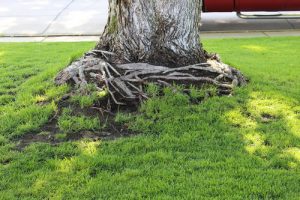 Girdling roots to a tree, is a similar experience to overeating while wearing a belt. When our favorite dish is placed directly in front of us, we cannot help but indulge. Upon indulging, we notice the space between our stomach and belt gradually decreases, resulting in a squeezing sensation. Lucky for us, we can release that tension by removing our belt. Girdling roots require certified arborists assistance to remove this squeezing nuisance that, in turn, could be detrimental to the tree’s health.
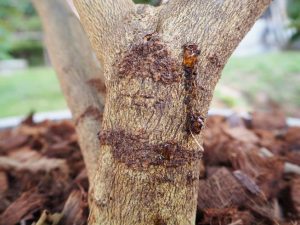 Trees are valuable assets to a landscape. Not only do they provide aesthetics, but these towering plants also offer shade and shelter for wildlife and other plants. Sometimes a dying tree is obvious, with its leaves turning brown in the summer or branches riddled with holes from wood-boring pests. But it’s not always clear when trees are in poor health, which can make it difficult to address especially when a dead or dying tree located near a building or home. Broken limbs from a dying tree can cause injuries to people and pets and have the potential to lead to costly repairs if it lands on your home or car. Keep an eye out for these seven signs that you may have a dying tree so you can take care of it before it does damage to your property.
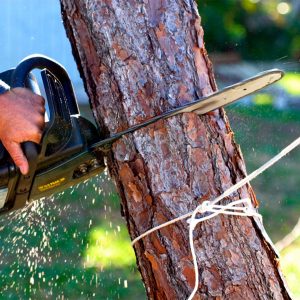 Sometimes a valuable tree uproots without warning; but most often, your tree sends distress signals before it topples.
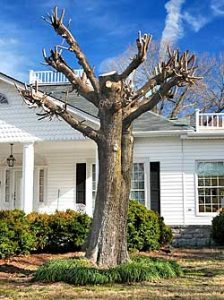 Many people think that you can shorten a tree by cutting off the top. What they don’t realize is that topping permanently disfigures and damages the tree, and may even kill it. Once a tree is topped, it can be improved with the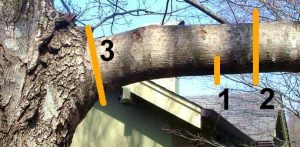
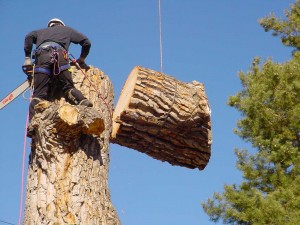 The average cost of tree lopping services is $120/hr. However, the amount tree loppers charge for the job can still change. Because of certain factors such as the height of the tree and the size of the work, tree lopping prices can range from $50/hr to $150/hr.